Tips for Creating a Relaxing Home Office Environment
kytubii.pro >> population>> Tips for Creating a Relaxing Home Office Environment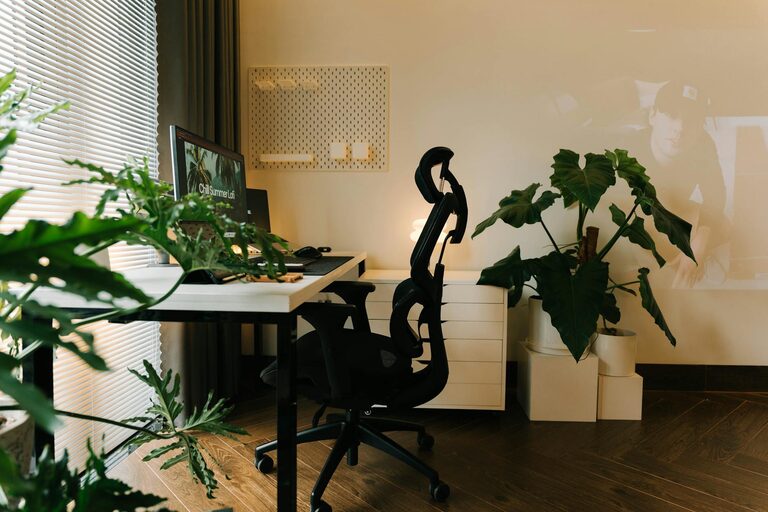
Tips for Creating a Relaxing Home Office Environment
Creating a relaxing home office environment is essential for maintaining focus, reducing stress, and boosting productivity. Whether you work remotely full-time or occasionally, your workspace should promote calmness and comfort. Here are some practical tips to help you design a home office that supports both your mental well-being and work efficiency.
1. Choose the Right Location
Find a Quiet Spot
Select a quiet corner or room in your home away from high-traffic areas. This helps minimize distractions and creates a sense of separation between your work and personal life.
Natural Light is Key
Set up your workspace near a window to take advantage of natural light. Sunlight can enhance mood and energy levels throughout the day. If natural light is limited, invest in full-spectrum desk lamps that mimic daylight.
2. Invest in Comfortable Furniture
Ergonomic Chair
Your chair should support good posture with adjustable height, lumbar support, and comfortable cushioning. This will prevent back pain and keep you comfortable during long work sessions.
Functional Desk
Choose a desk that fits your workspace and storage needs. Standing desks or adjustable desks offer flexibility by allowing you to switch between sitting and standing positions.
3. Declutter and Organize
Keep Surfaces Clear
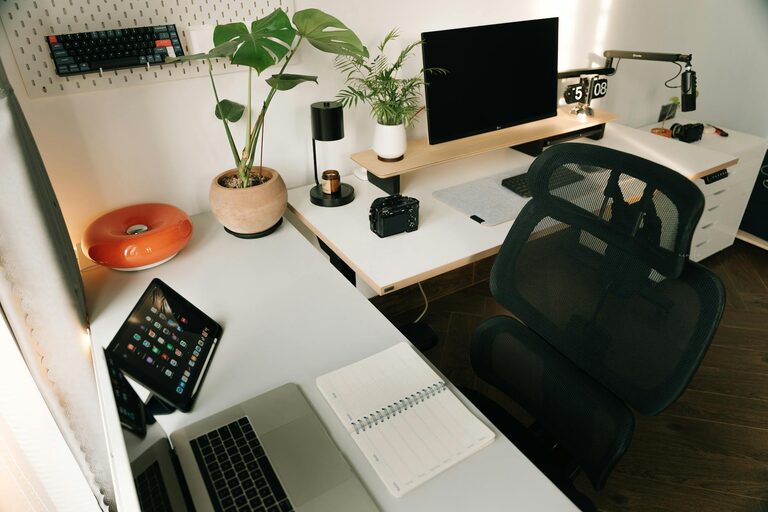
A clean, tidy desk reduces stress by minimizing visual distractions. Store away unnecessary items and keep only essential tools and items within reach.
Use Storage Solutions
Shelves, filing cabinets, or drawer organizers help keep your space organized. Label storage containers to easily find what you need.
4. Add Calming Colors and Decor
Choose Soothing Colors
Paint walls or add accessories in soft, neutral tones like blues, greens, or beige. These colors are known to promote relaxation and concentration.
Personalize with Plants and Art
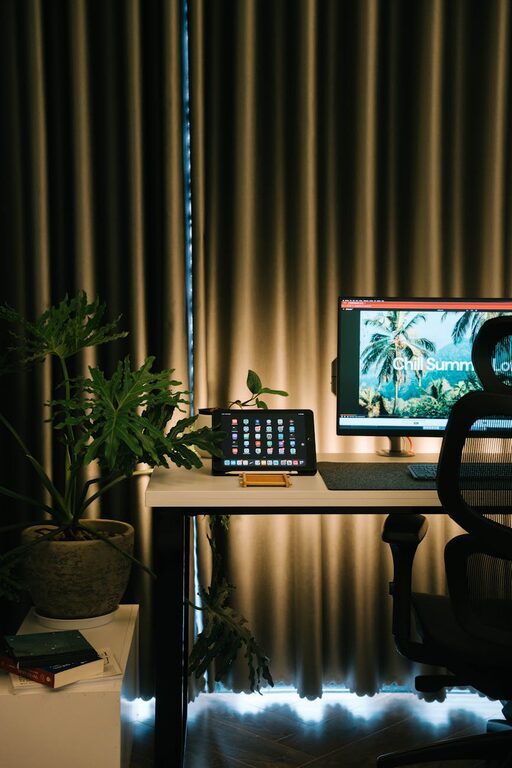
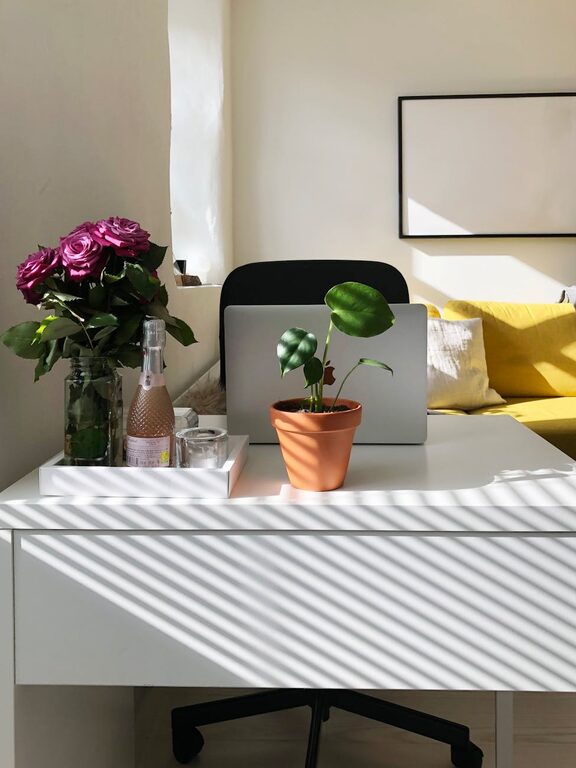
Indoor plants not only brighten the room but also improve air quality and lower stress levels. Add a few plants you enjoy caring for. Incorporate artwork or photos that inspire or calm you.
5. Control Noise Levels
Use Noise-Canceling Headphones
If your home is noisy, noise-canceling headphones or earplugs can help you focus on your work without distractions.
Add Soft Textiles
Rugs, curtains, and cushions help absorb sound and reduce echo, making your office environment quieter and cozier.
6. Set Up Efficient Lighting
Balance Task and Ambient Lighting
Good lighting reduces eye strain and helps maintain alertness. Use a combination of overhead lights, desk lamps, and natural light to create a well-lit space that isn’t harsh.
Avoid Screen Glare
Position your computer screen perpendicular to windows to reduce glare, which can cause headaches and fatigue.
7. Incorporate Break Areas and Movement
Create a Relaxation Corner
If space allows, add a comfortable chair or small sofa where you can take short breaks away from your desk to recharge.
Schedule Movement Breaks
Set timers to remind yourself to stretch or walk around every hour. Movement eases muscle tension and clears your mind for better productivity.
8. Manage Technology Thoughtfully
Cable Management
Use clips, sleeves, or boxes to organize cables and keep them out of sight. A neat setup prevents tangles and reduces stress.
Limit Distractions
Turn off non-essential notifications and close unused tabs or apps. Consider having a dedicated work phone or device to separate personal and professional messages.
9. Keep Air Fresh and Comfortable
Ensure Good Ventilation
Open windows when possible or use air purifiers to maintain fresh air flow. Good air quality helps maintain focus and energy levels.
Control Temperature
Adjust your thermostat or have a small fan or heater nearby so you can maintain a comfortable temperature throughout the day.
10. Create a Routine
Set Boundaries
Define your work hours to maintain a healthy balance between work and personal time. Communicate these boundaries with family members or housemates.
Develop Start and End Rituals
Simple actions like making your bed, lighting a candle, or tidying your desk signal the start or end of your workday, helping mentally separate work life from home life.
—
By implementing these tips, you can create a home office environment that promotes relaxation and productivity. Remember that a comfortable, well-organized workspace tuned to your preferences will make your daily work routine more enjoyable and effective. Start with small changes and customize your space step by step to find the best setup for you.
Related Post
Effective Tips for Organizing Your Home Office to Boost Productivity and Comfort
Creating an efficient and comfortable home office is essential for boosting productivity and maintaining a…