Tips for Creating an Organized and Productive Home Workspace
kytubii.pro >> population>> Tips for Creating an Organized and Productive Home Workspace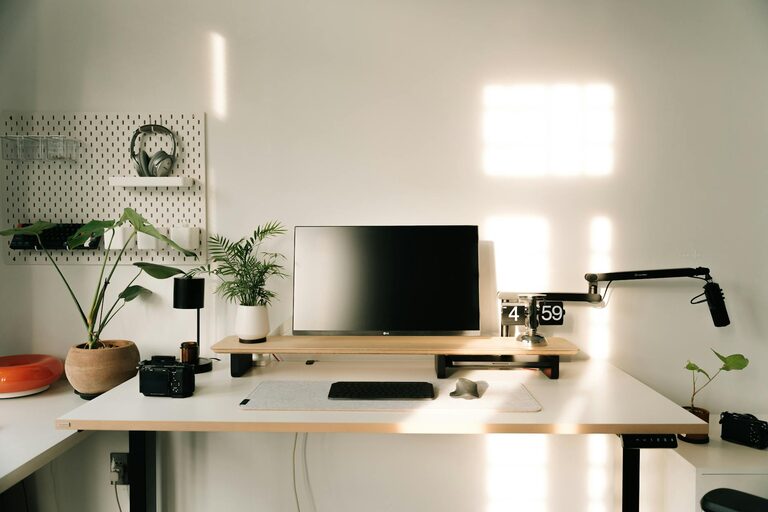
Tips for Creating an Organized and Productive Home Workspace
Creating an organized and productive home workspace can significantly impact how you work and feel throughout the day. Whether you’re working remotely full-time or need a dedicated spot for occasional tasks, having a well-planned area can help you stay focused, reduce stress, and maintain a healthy work-life balance.
In this post, we’ll explore practical tips to create a home workspace that’s both organized and conducive to productivity.
1. Choose the Right Location
Consider natural light and quietness
Select a spot in your home that offers plenty of natural light, as it helps improve mood and focus. Avoid high-traffic areas or rooms with lots of noise to minimize distractions.
Think about space and comfort
Make sure the space is large enough for your work equipment and allows you to move comfortably. If a separate room isn’t possible, carve out a corner in a quiet area.
2. Invest in Ergonomic Furniture
Desk and chair
Choose a desk at an appropriate height and an ergonomic chair that supports good posture. Comfort is key to prevent aches and maintain energy throughout the day.
Adjustable options
If you can, get adjustable furniture such as sit-stand desks or chairs with lumbar support to customize your workspace over time.
3. Declutter and Organize Effectively
Keep only essentials on your desk
Limit what you keep on your desktop to necessary items – your computer, notepad, pen holder, and any frequently used tools.
Use storage solutions
Incorporate shelves, drawers, and organizers to keep paperwork, cables, and office supplies neatly stored away. Label storage containers for easy access.
Digital organization
Organize your digital files and emails regularly. Use folders and clear naming systems to save time finding documents.
4. Optimize Your Workspace for Focus
Minimize distractions
Keep your phone on silent or in another room if possible. Use noise-canceling headphones if background noise is unavoidable.
Personalize thoughtfully
Add a few personal touches like photos, plants, or artwork to make your space welcoming but avoid overdoing it to prevent clutter.
5. Manage Lighting Properly
Combine natural and artificial light
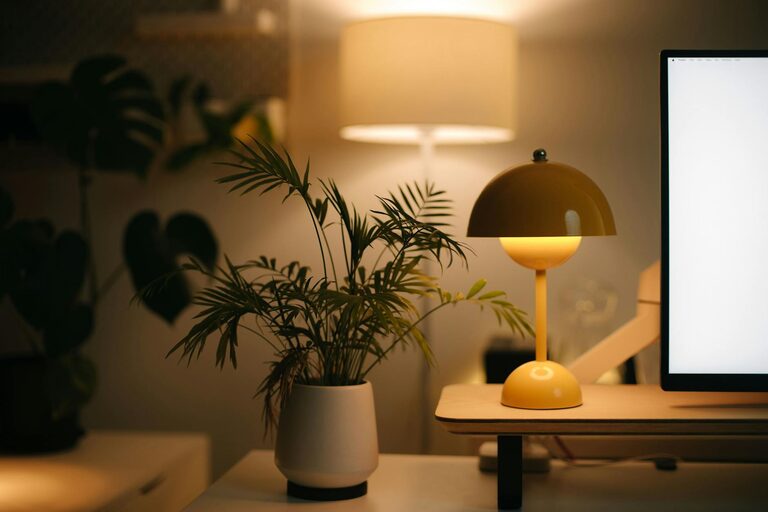
Position your desk so you can take advantage of daylight. Add a desk lamp with adjustable brightness to reduce eye strain during evening hours.
Avoid glare
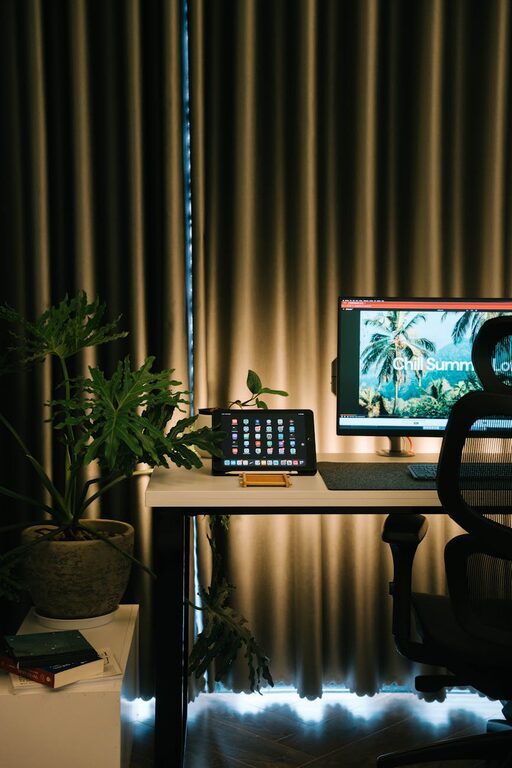
Place screens at right angles to windows and use blinds or curtains to control sunlight.
6. Set Up Good Technology Practices
Reliable internet and equipment
Ensure your internet connection is stable for video calls and downloads. Keep your computer, printer, and other devices in good working order.
Cable management
Tidy up cords using clips or sleeves to avoid tangled wires, which can be both distracting and unsafe.
7. Incorporate Healthy Habits
Take breaks and move
Design your workspace to encourage movement. Use reminders to stand, stretch, or walk every hour to stay refreshed.
Stay hydrated and nourished
Keep a water bottle nearby and some healthy snacks handy to avoid unnecessary trips to the kitchen.
8. Establish a Routine and Boundaries
Set working hours
Define clear start and stop times for your workday. This helps separate professional tasks from personal time.
Communicate boundaries
Let household members know when you’re working and shouldn’t be disturbed, creating respect for your workspace.
—
Creating an organized and productive home workspace doesn’t happen overnight. Experiment with different setups and find what feels best for you. By thoughtfully arranging your environment and habits, you’ll set the stage for better focus, efficiency, and enjoyment in your daily work.
Related Post

Tips for Creating a Cozy and Productive Home Office Space
Creating a home office that feels both cozy and productive can make a big difference…